
Winter Dog Walking in NJ: What Our Walkers Watch For
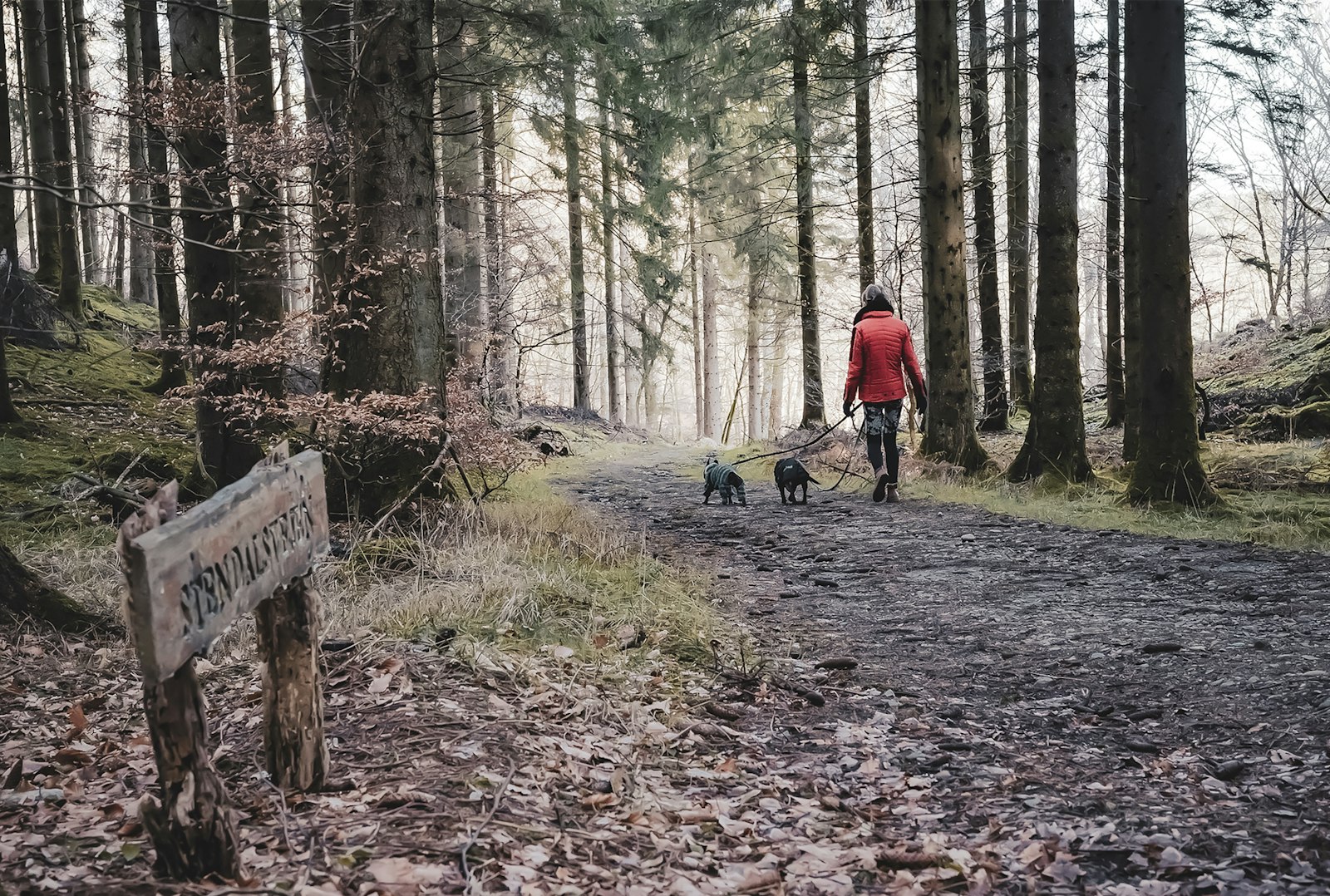
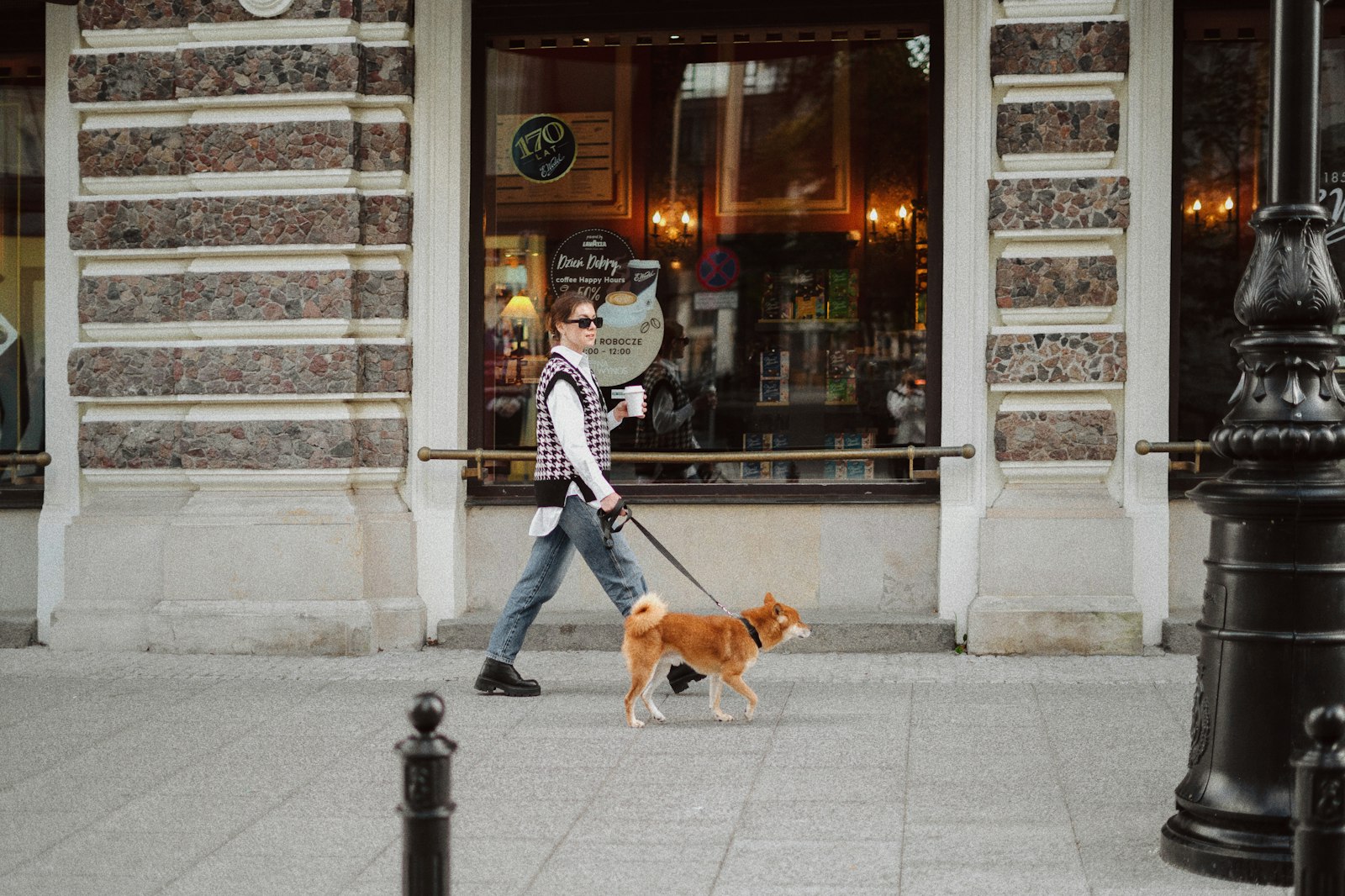
It’s a February morning in Morris County. The sidewalks are white with salt, the wind is coming hard down the street, and your dog is standing at the door ready to go anyway. Winter dog walking in NJ takes more thought than any other time of year. The cold is part of it, but salt, ice and short daylight change how a walk should go too. Our team walks 365 days a year through snow, sleet and everything in between, and over the years we’ve built a winter routine that keeps dogs comfortable and safe. Here’s what our walkers watch for, and what you can do at home.
Road Salt and Ice Melt Are the Biggest Winter Hazard
Ask any of our walkers about winter and salt is the first thing they bring up. Road salt and chemical ice melt dry out paw pads, and over a season that can turn into cracking, redness and soreness. Salt also gets packed between the toes, where it stings, and dogs lick it off once they’re back inside. Some ice melt products aren’t something you want your dog swallowing.
The simplest fix works best. Wipe your dog’s paws after every winter walk with a damp cloth or a quick rinse in warm water, then dry them well, including between the toes. On your own steps and driveway, switch to an ice melt labeled pet-safe. On walks, our team avoids the most heavily salted stretches when they can, using side streets, grass edges and quieter routes instead.
How Cold Is Too Cold to Walk Your Dog
There isn’t one number that works for every dog. A husky and a Chihuahua live in completely different winters. Size, coat, age and breed all change how a dog handles the cold, and wind chill matters more than the thermometer. A still, sunny 25-degree day can be fine for a lot of dogs, while a windy 35-degree day can be miserable.
Small dogs, short-coated breeds, seniors and puppies feel the cold first and lose heat fastest. For any dog, though, the best guide is the dog. Our walkers watch for lifted paws, shivering, slowing down, tucking the tail, or turning back toward home, and when they see it, the walk gets shorter. If your dog has a medical condition that affects how they handle the cold, talk with your vet about what’s right for them.
Boots, Coats and Paw Balm: What Helps
Dog boots are the best protection against salt and ice, but only if they fit and your dog will wear them. Look for boots that stay snug without pinching, and let your dog get used to them indoors before the first snowy walk. Most dogs walk a little funny at first and settle in after a few tries.
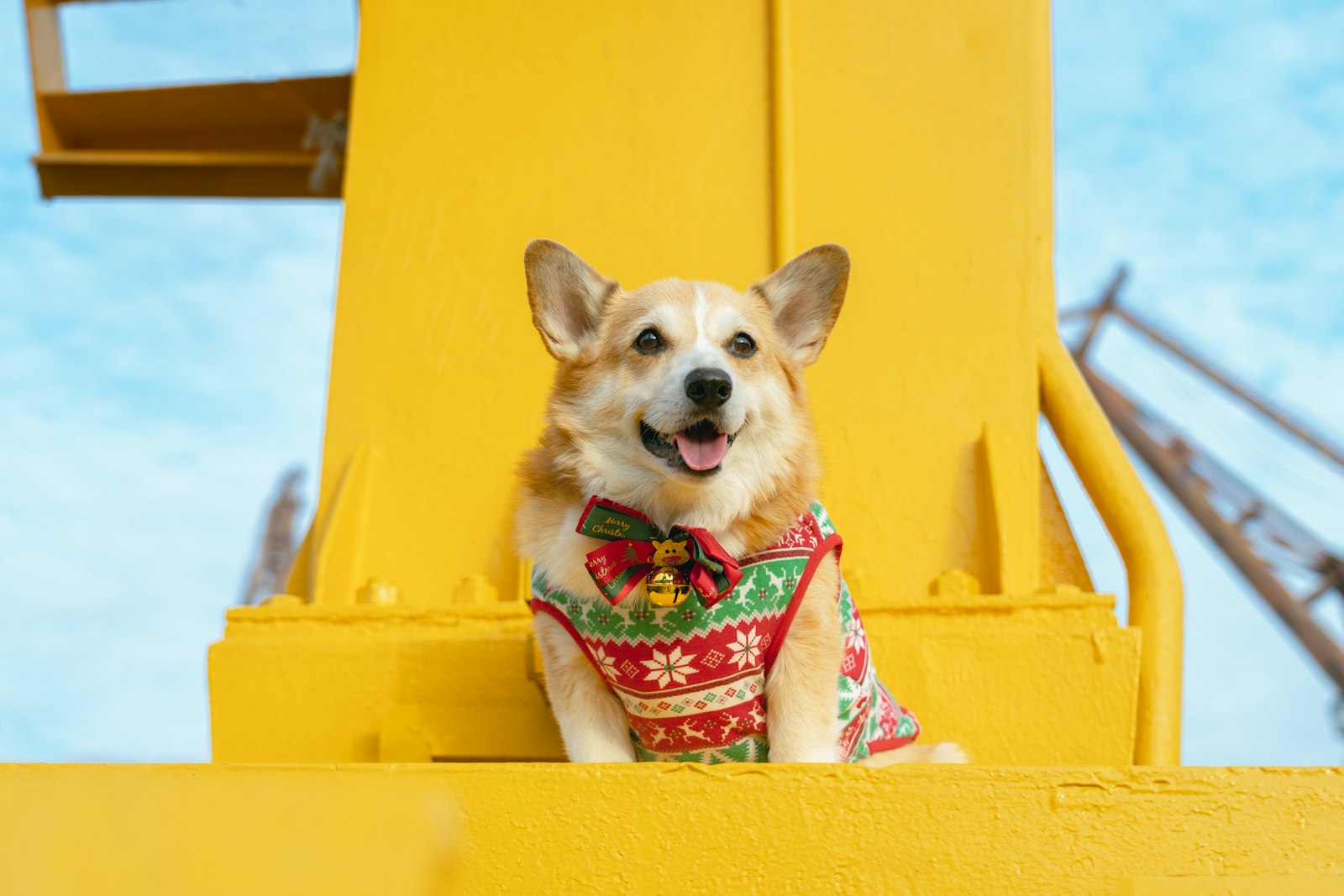
Coats make sense for small, short-haired, thin or older dogs, and for any dog who shivers on a normal winter walk. Thick-coated breeds usually don’t need one. Paw balm is an easy option for dogs who won’t wear boots. Put it on before the walk so it creates a barrier, not after, when the salt has already done its damage. Most dogs only need one or two of these, and plenty of dogs do fine with good paw care after the walk.
How Our Walkers Adjust When the Temperature Drops
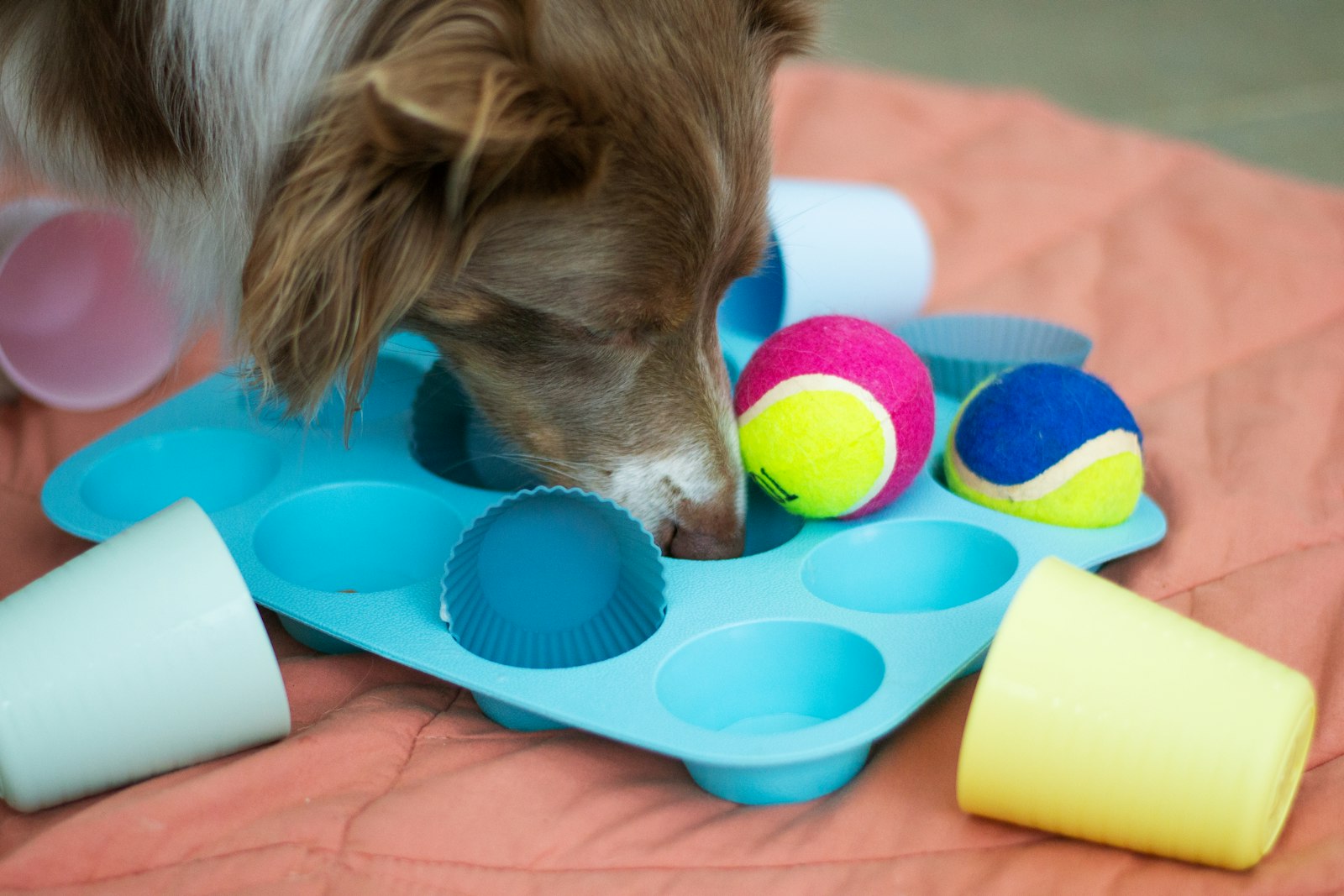
On the coldest days, our walkers change the walk instead of skipping it. That means shorter loops close to home, plowed and well-traveled routes instead of icy trails, and more time moving and sniffing instead of standing still in the wind. When the weather is truly bad, they switch to indoor play and enrichment so your dog still burns off some energy and gets their company for the day.
You’ll see all of it in the app report card after every visit, with photos, notes and a map of where they walked. If a walk was cut short because of the cold, you’ll know why. Learn more about how we handle daily walks on our Dog Walking page, and if you want the warm-weather version, our article on summer heat safety covers when it’s too hot to walk.
Winter Walks for Seniors and Puppies
Senior dogs and puppies need the most care in the cold. Older dogs often have stiff joints that get worse in cold weather and less steady footing on ice, so short, slow walks on clear surfaces work best. Our guide to senior dogs and daily walks goes into more detail. Puppies don’t hold heat well yet and get cold fast, so quick potty breaks and short outings are usually enough until they’re older.
Winter schedules fill up quickly once the first snow hits. Book your winter walks now through the app, click Get Started, or call or text us at (908) 340-0078.